




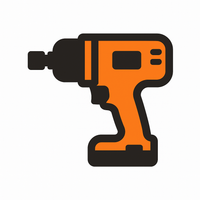



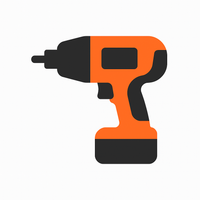

Choosing the right impact driver can dramatically improve your work efficiency, especially when handling heavy-duty fastening tasks. Whether you're assembling a deck, installing cabinets, or working on automotive repairs, the right tool ensures both speed and strength—and prevents fatigue and frustration.
An impact driver differs from a regular drill in one major way: it delivers concussive rotational force (torque) in rapid bursts, making it far easier to drive screws and fasteners into dense or stubborn materials. But not all impact drivers are created equal.
Key Factors to Consider When Choosing an Impact Driver
1. Torque & Power Output
Impact drivers are designed to handle jobs that standard drills can struggle with—think long lag screws or dense hardwoods.
-
Look for models with high torque ratings, usually measured in inch-pounds (in-lbs).
-
For heavy-duty tasks like deck building or fastening into concrete with anchors, a model with at least 1,500 in-lbs of torque is a good start.
-
Brushless motor options provide more power, improved efficiency, and longer tool life.
2. Battery Performance (Cordless Models)
Cordless impact drivers are extremely popular for their mobility. The quality of the battery makes a significant difference:
-
Choose lithium-ion batteries for fast charging and consistent power.
-
Check the amp-hour (Ah) rating—higher Ah equals longer run time.
-
Many top models feature battery indicators so you’re never surprised by a dead tool mid-task.
-
For professionals or serious DIYers, consider getting a spare battery for uninterrupted work.
3. Chuck Size & Drive Type
Impact drivers commonly use a 1/4-inch hex collet, which only accepts bits with hexagonal shanks.
-
This design allows for quick bit changes—essential when switching tasks frequently.
-
Make sure your bit set is impact-rated; standard bits can snap under the torque.
4. Speed Settings & Control
Unlike drills, most impact drivers don’t have a traditional clutch, but some offer variable speed triggers or multi-speed settings to improve control:
-
Low speed is ideal for delicate work (like cabinetry).
-
Higher speed handles tougher tasks like driving long screws into framing.
-
Some models now include smart electronics to automatically adjust torque based on resistance.
5. Size, Weight & Ergonomics
Impact drivers are typically smaller and lighter than regular drills, but there’s still variation:
-
Compact models are excellent for tight spots or overhead work.
-
Look for ergonomic grips, balanced weight, and LED work lights to improve comfort and visibility.
-
If you'll be using the tool all day, make sure the weight is manageable and doesn't strain your wrist or arm.
Why You Need an Impact Driver
If you're frequently working with wood framing, sheet metal, deck screws, or concrete anchors, a quality impact driver will save you time and effort. It reduces cam-out, prevents wrist strain, and gets the job done faster.
Whether you're a beginner learning the ropes or a pro adding to your toolkit, an impact driver is a versatile, essential tool that makes fastening fast, easy, and precise.
Choose the right one for your needs—and you'll quickly wonder how you ever worked without it.


