









Drilling into concrete may seem like a daunting task for beginners, but with the right tools and techniques, it can be straightforward and highly rewarding. Whether you're mounting shelves, installing outdoor lighting, or anchoring heavy equipment, following the proper steps ensures success and safety.
Why Concrete Requires Special Care
Concrete is dense and tough, which makes it resistant to most standard tools and techniques. Using the wrong drill or bit can result in damage to both your wall and your equipment, not to mention wasted time and frustration. That’s why preparation is key.
Step-by-Step Instructions
1. Use a Hammer Drill
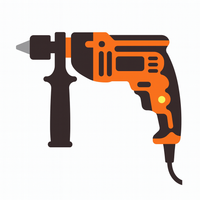
A regular cordless or corded drill won’t cut it — literally. You’ll need a hammer drill or rotary hammer, which delivers a pounding motion in addition to rotation. This helps break up the concrete as you drill, making the job faster and easier. Most modern hammer drills have adjustable speed settings and a “hammer only” mode for chiseling work.
2. Choose a Masonry Bit
Use carbide-tipped masonry bits, specifically designed for drilling into hard materials like brick, concrete, and stone. Inspect your bit for wear and tear before starting — a dull bit can cause overheating and reduce efficiency.
3. Mark Your Drill Point
Using a pencil, chalk, or masking tape, clearly mark the drilling location. For added precision, use a center punch and a hammer to create a small indentation — this helps prevent the bit from wandering when you start drilling.
4. Start Slow, Then Accelerate
Begin at a low speed to give your bit time to bite into the surface. Once the hole starts to form, you can gradually increase the speed. Applying too much pressure early on can cause the bit to slip or break.
5. Drill in Short Bursts and Cool the Bit
Concrete generates a lot of heat during drilling. Drill for 10–15 seconds at a time, then pull the bit out to allow it to cool and clear the dust. Overheating can damage your bit or the internal components of your drill. Some professionals also spray water near the hole (carefully, to avoid the motor) to keep things cooler.
6. Use Wall Anchors for Screws
Concrete is not suitable for directly driving screws into it. Instead, use plastic, metal, or sleeve anchors. Once your hole is drilled, vacuum or blow out the dust, insert the anchor, and then screw in your fastener. Anchors provide the gripping force needed to keep items secure over time.
Bonus Tips for Better Results
-
Depth Stops: Use a drill stop attachment or wrap tape around your bit to avoid drilling too deep.
-
Vacuum Dust: Concrete dust is harmful when inhaled. Use a shop vac during drilling or wear a respirator mask.
-
Work with a Buddy: For heavier installations like wall-mounted TVs or shelves, it helps to have someone spot and assist you.
Safety First
Always wear safety goggles, dust masks, and gloves. Loose clothing or jewelry should be removed, and your work area should be well-ventilated. If you’re using a corded hammer drill, check your power source and ensure cables aren’t a tripping hazard.
Final Thoughts
Drilling into concrete doesn’t have to be intimidating. With the correct hammer drill, high-quality masonry bits, and a little patience, even a beginner can achieve professional-looking results. Like most DIY skills, success comes from preparation and practice. Start with small projects, and you’ll soon feel confident taking on more ambitious tasks.


